Maverick Design System
Maverick Design System
Maverick Design System
Building the design system that unified VCS HR's product ecosystem
Building the design system that unified VCS HR's product ecosystem
Building the design system that unified VCS HR's product ecosystem
I established the Maverick Design System to drive consistency, accelerate development, and improve accessibility across VCS HR's enterprise products.
I established the Maverick Design System to drive consistency, accelerate development, and improve accessibility across VCS HR's enterprise products.
I established the Maverick Design System to drive consistency, accelerate development, and improve accessibility across VCS HR's enterprise products.

Project Ownership
Project Ownership
Design System Strategy & Governance
Design System Strategy & Governance
Design Tokens & Theming
Design Tokens & Theming
Component & Pattern Design
Component & Pattern Design
Accessibility Standards
Accessibility Standards
Documentation & Developer Handoff
Documentation & Developer Handoff
Adoption & Cross-Product Integration
Adoption & Cross-Product Integration

My Role
My Role
Role
Role
Sole Designer
Sole Designer
Duration
Duration
9 months
9 months
Team
Team
Stakeholders, 1 Designer, 12 Devs
Stakeholders, 1 Designer, 12 Devs

Key Highlights
11
Foundations
80+
Components
12
Design Patterns
18
Page Templates
6
Products Aligned

Project Ownership
Product Strategy & Roadmap
Information Architecture
Workflow Design & Optimization
UX/UI Design & Prototyping
Design System & Components
Stakeholder Alignment
Usability Testing
Analytics & Iteration
My Role
Role
Sole Designer
Duration
12 months
Team
1 Designer, 1 PM, 2 Devs
Key Highlights
Key Highlights
11
11
11
Foundations
Foundations
80+
80+
80+
Components
Components
12
12
12
Design Patterns
Design Patterns
18
18
18
Page Templates
Page Templates
6
6
6
Products Aligned
Products Aligned
DEFINE
DEFINE
DEFINE
Understanding the Opportunity
Understanding the Opportunity

The Problem
The Problem
Inconsistent UI patterns slowed development and created friction across products.

Multiple developers built components differently
Multiple developers built components differently
Multiple developers built components differently
Spacing, colors, and typography varied widely
Spacing, colors, and typography varied widely
Spacing, colors, and typography varied widely
Accessibility and usability were inconsistent
Accessibility and usability were inconsistent
Accessibility and usability were inconsistent
Harder to maintain and scale
Harder to maintain and scale
Harder to maintain and scale

The Outcome
The Outcome
Created a scalable design system that simplifies complexity and enables consistent, high-quality experiences across multiple products.

Support data-heavy workflows
Support data-heavy workflows
Support data-heavy workflows
Balance flexibility with consistency
Balance flexibility with consistency
Balance flexibility with consistency
Enable faster development and iteration
Enable faster development and iteration
Enable faster development and iteration
Ensure accessibility and compliance
Ensure accessibility and compliance
Ensure accessibility and compliance
PROCESS
PROCESS
PROCESS
From Discovery to Direction
From Discovery to Direction
From auditing existing products to cross-product implementation, I partnered with stakeholders and engineers to build a system that scales.
Audit & Alignment
Audit & Alignment

Foundations
Foundations
Components & Patterns
Components & Patterns
Documentation & Governance
Documentation & Governance
Cross-Product Implementation
Cross-Product Implementation
Cross-Product Implementation
DESIGN DECISIONS
DESIGN DECISIONS
DESIGN DECISIONS
Designing for future scaling
Designing for future scaling
01
01
01
Color System
Color System
Color System

Decision
Build a semantic, accessible color system with clear usage tokens.
Strategic Impact
Reduced visual inconsistency across products and improved brand cohesion.
Business Impact
Strengthened product trust and reduced cognitive load.
02
02
02
Typography System
Typography System
Typography System

Decision
Established a scalable type system using Roboto for clarity and consistency.
Strategic Impact
Improved readability across all interfaces and data dense views.
Business Impact
Faster content scanning and fewer user errors.
03
03
03
Iconography
Iconography
Iconography

Decision
Created a unified icon set with intuitive, consistent visual language.
Strategic Impact
Enabled teams to communicate features and actions more clearly.
Business Impact
Faster feature adoption and better task recognition.
04
04
04
Spacing System
Spacing System
Spacing System
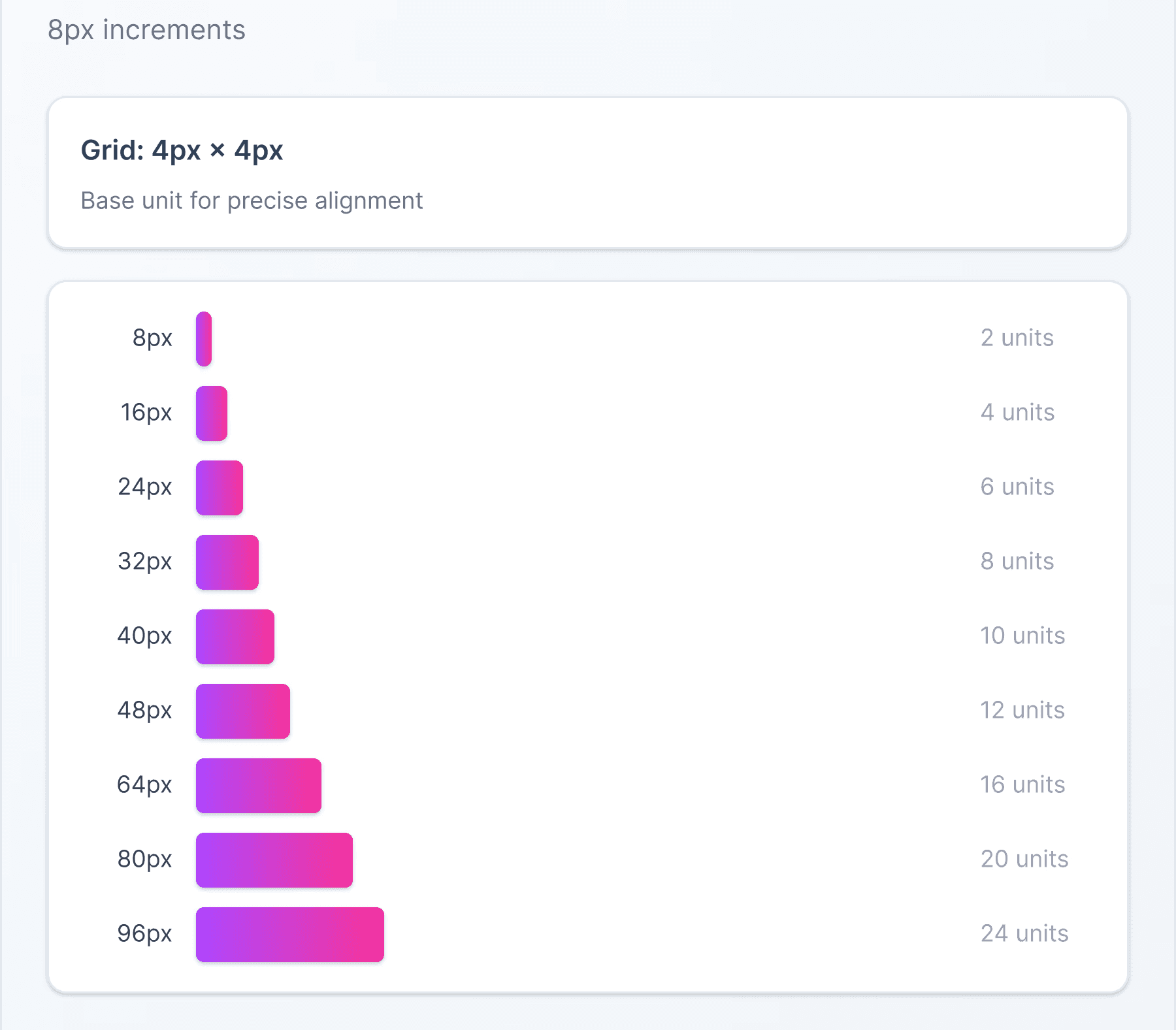
Decision
Implemented an 8px spacing system and a 4px base grid.
Strategic Impact
Aligned layouts, improved balance, and simplified development.
Business Impact
Reduced rework and accelerated delivery.
05
05
05
Component Library
Component Library
Component Library

Decision
Built modular, accessible components for flexibility and scalability.
Strategic Impact
Encouraged reuse and eliminated UI efforts.
Business Impact
Shorter development cycles and higher consistency.
06
06
06
Accessibility
Accessibility
Accessibility

Decision
Established WCAG 2.1 AA standards with inclusive patterns and components.
Strategic Impact
Built accessibility into the system — not an afterthought.
Business Impact
Reduced compliance risk and expanded usability.
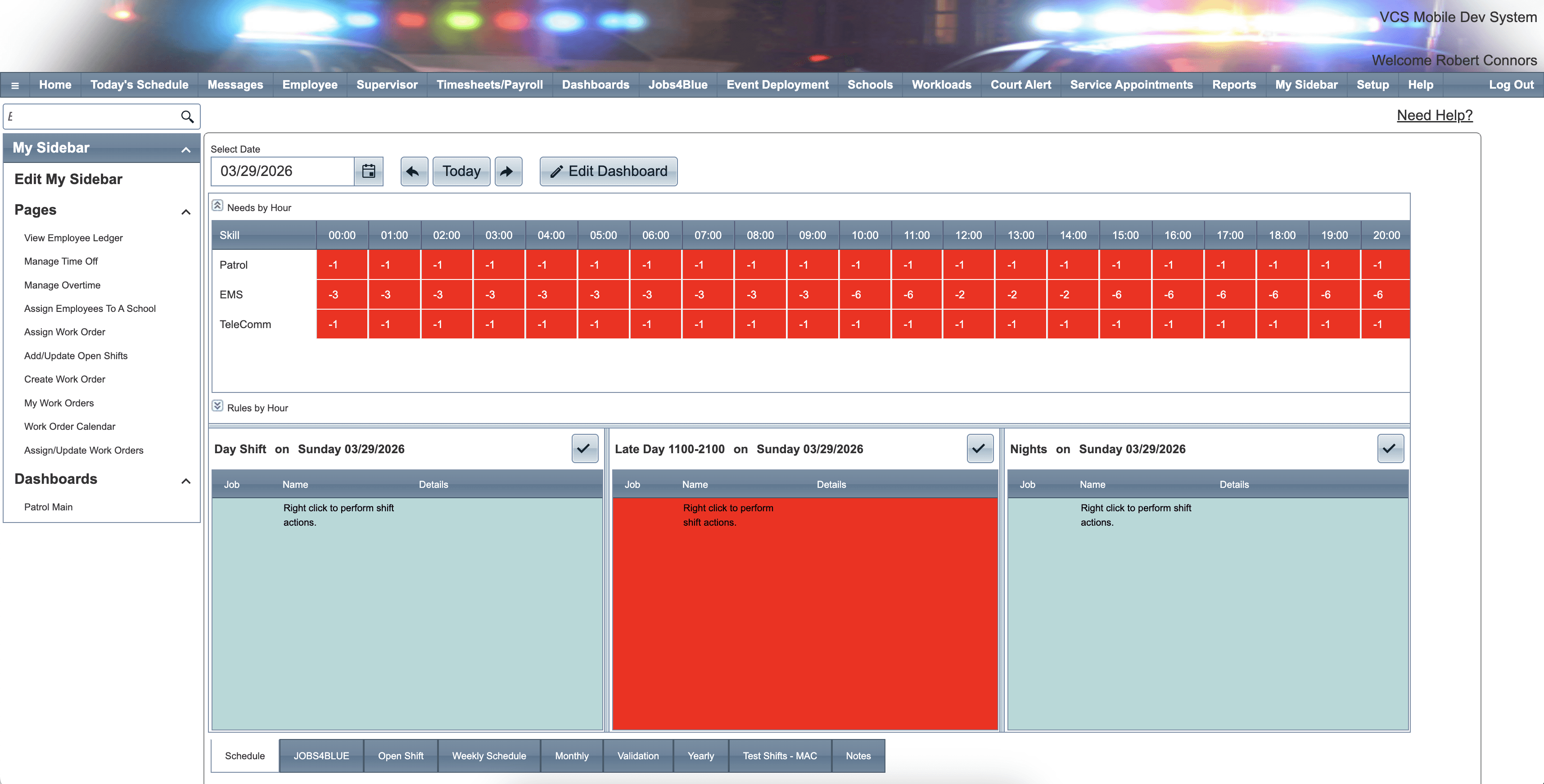
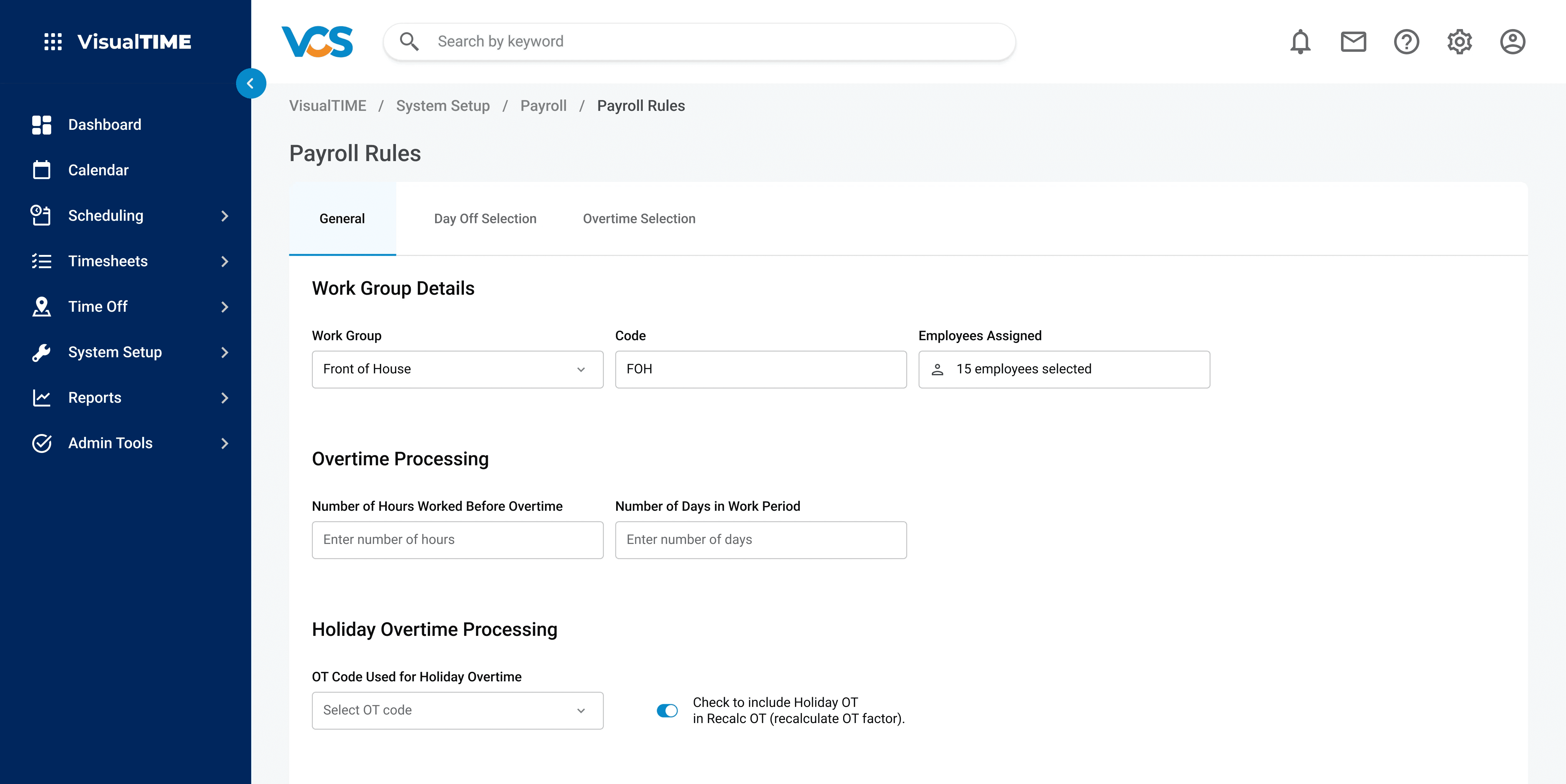
BEFORE/AFTER COMPARISONS
BEFORE/AFTER COMPARISONS
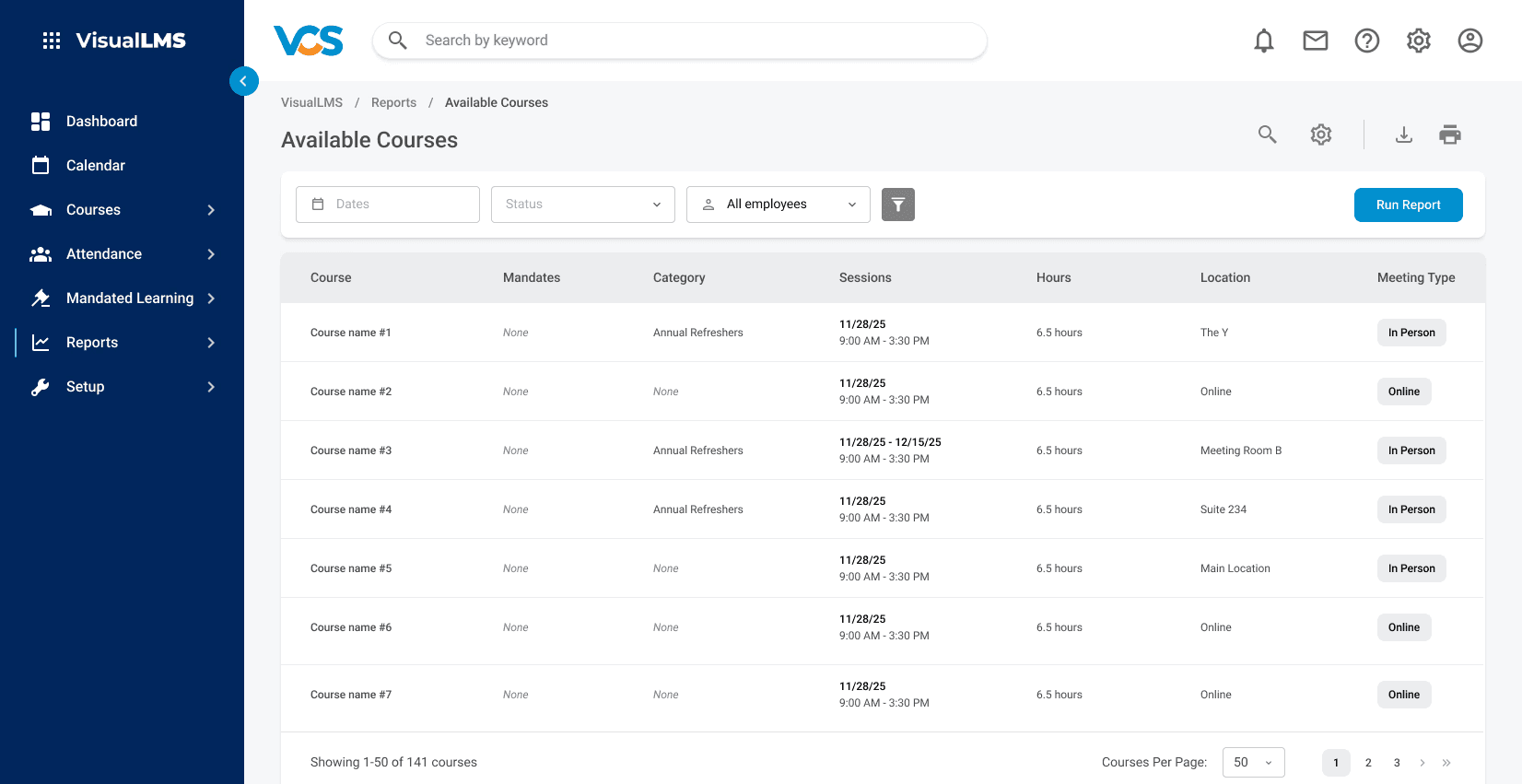
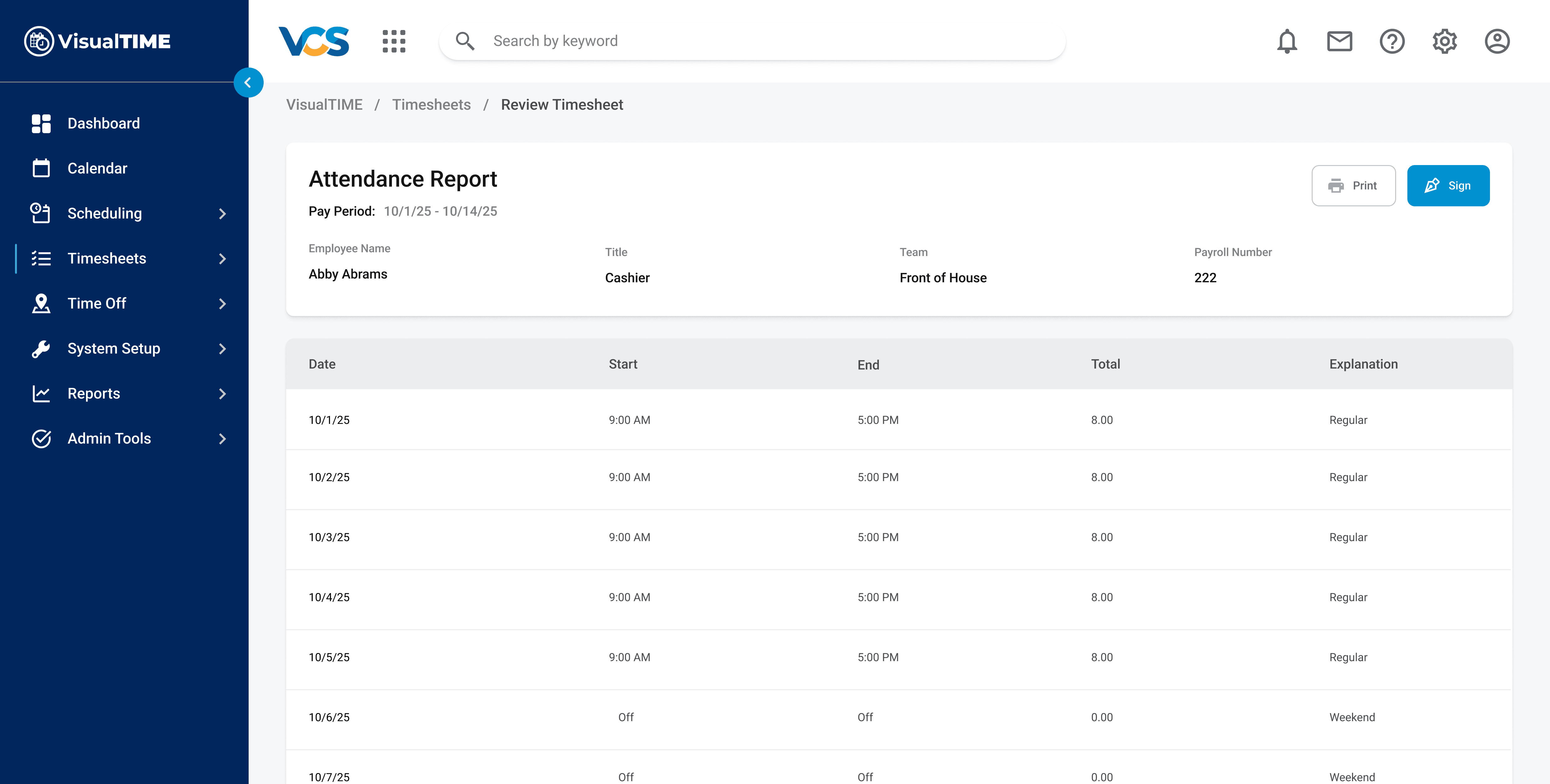
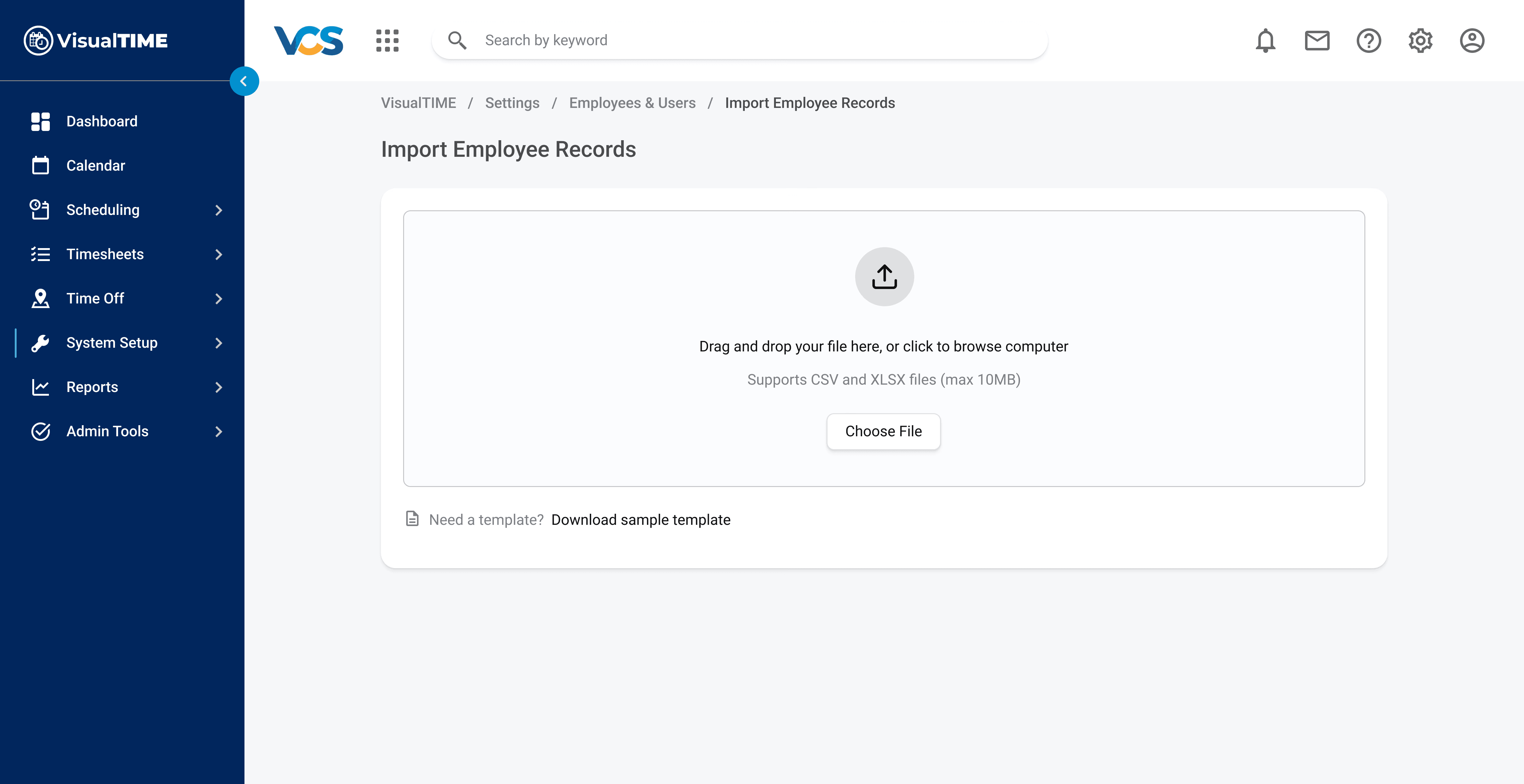
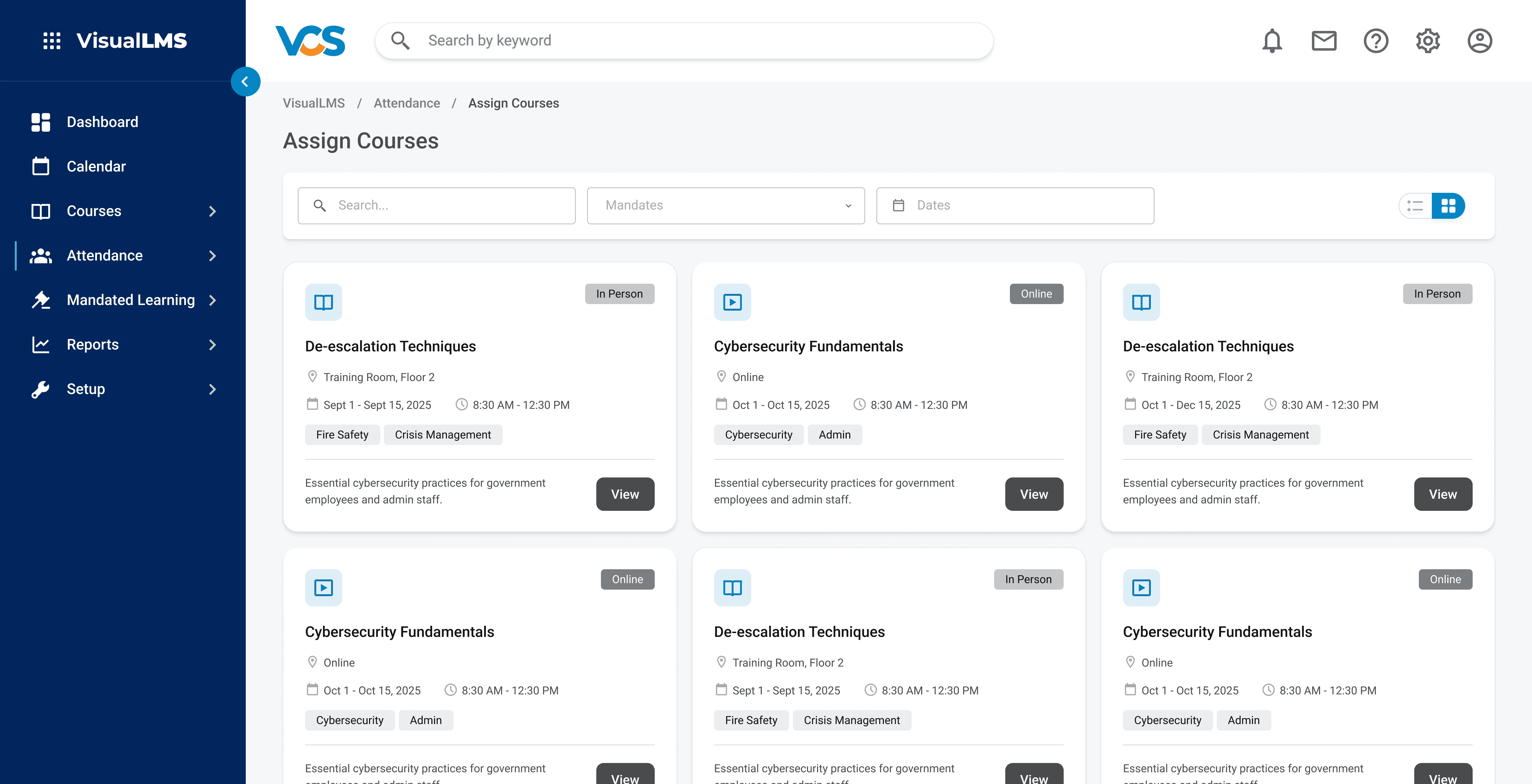
Featured selections of visual redesign
Featured selections of visual redesign
Before Redesign:
Before Redesign:
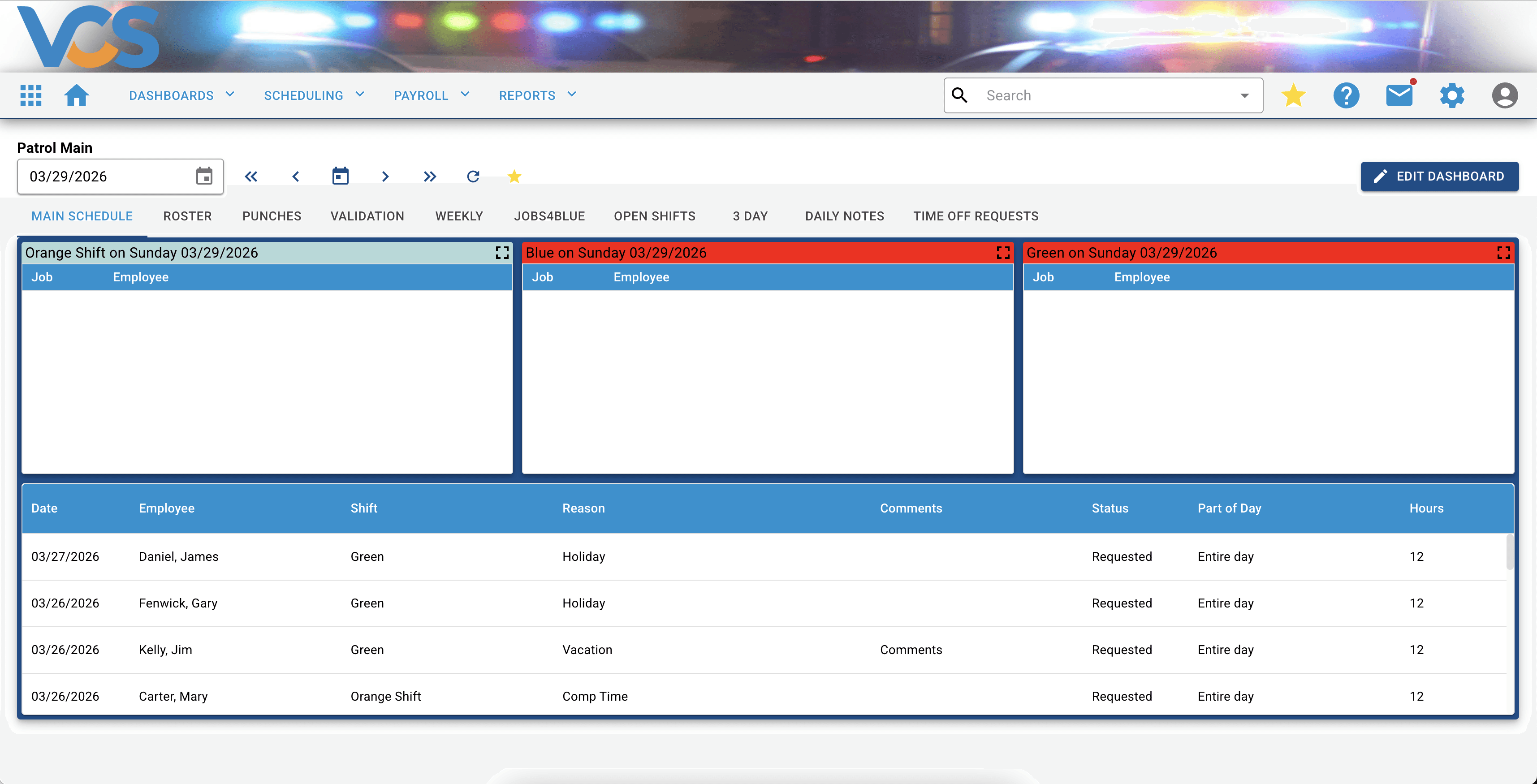
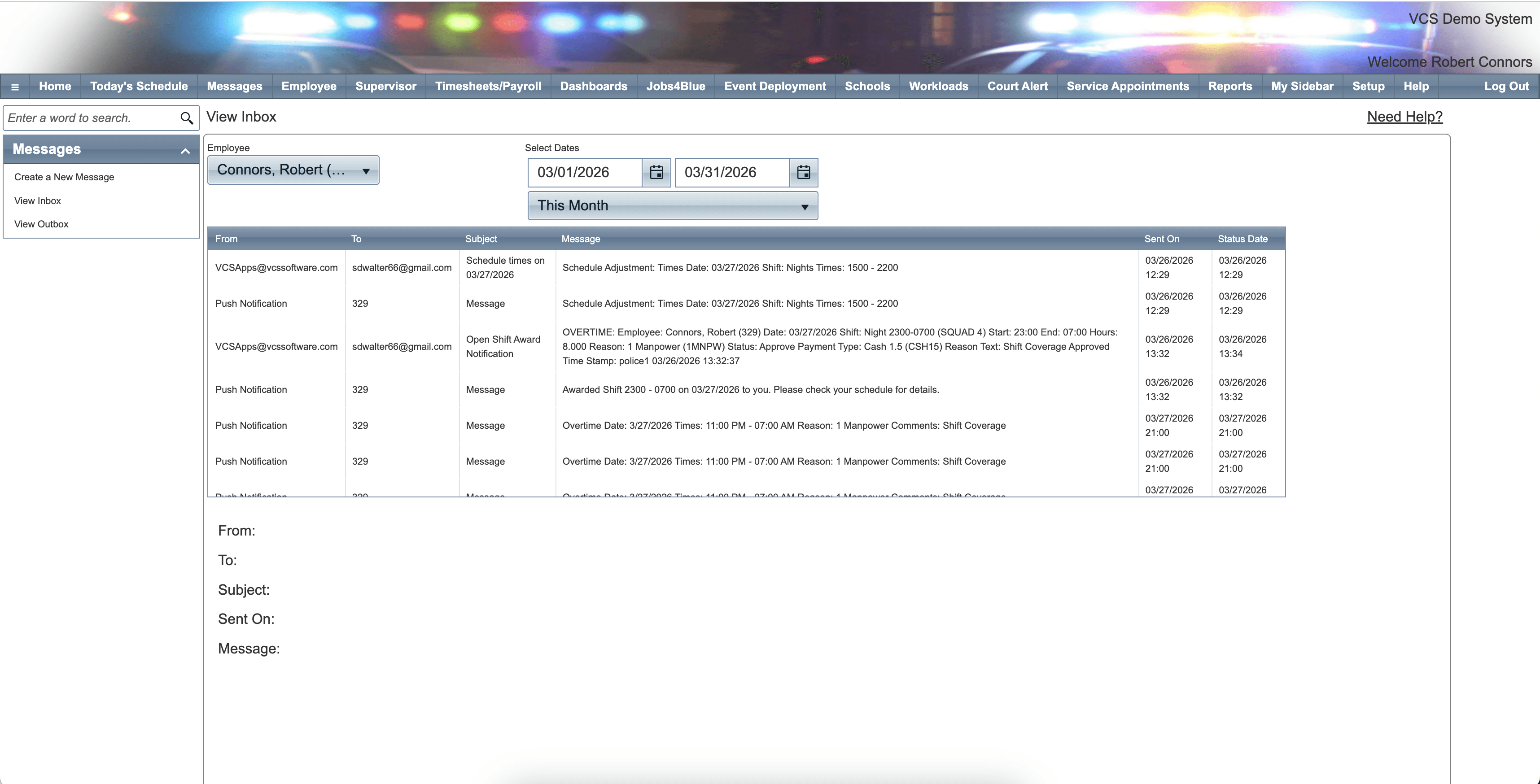
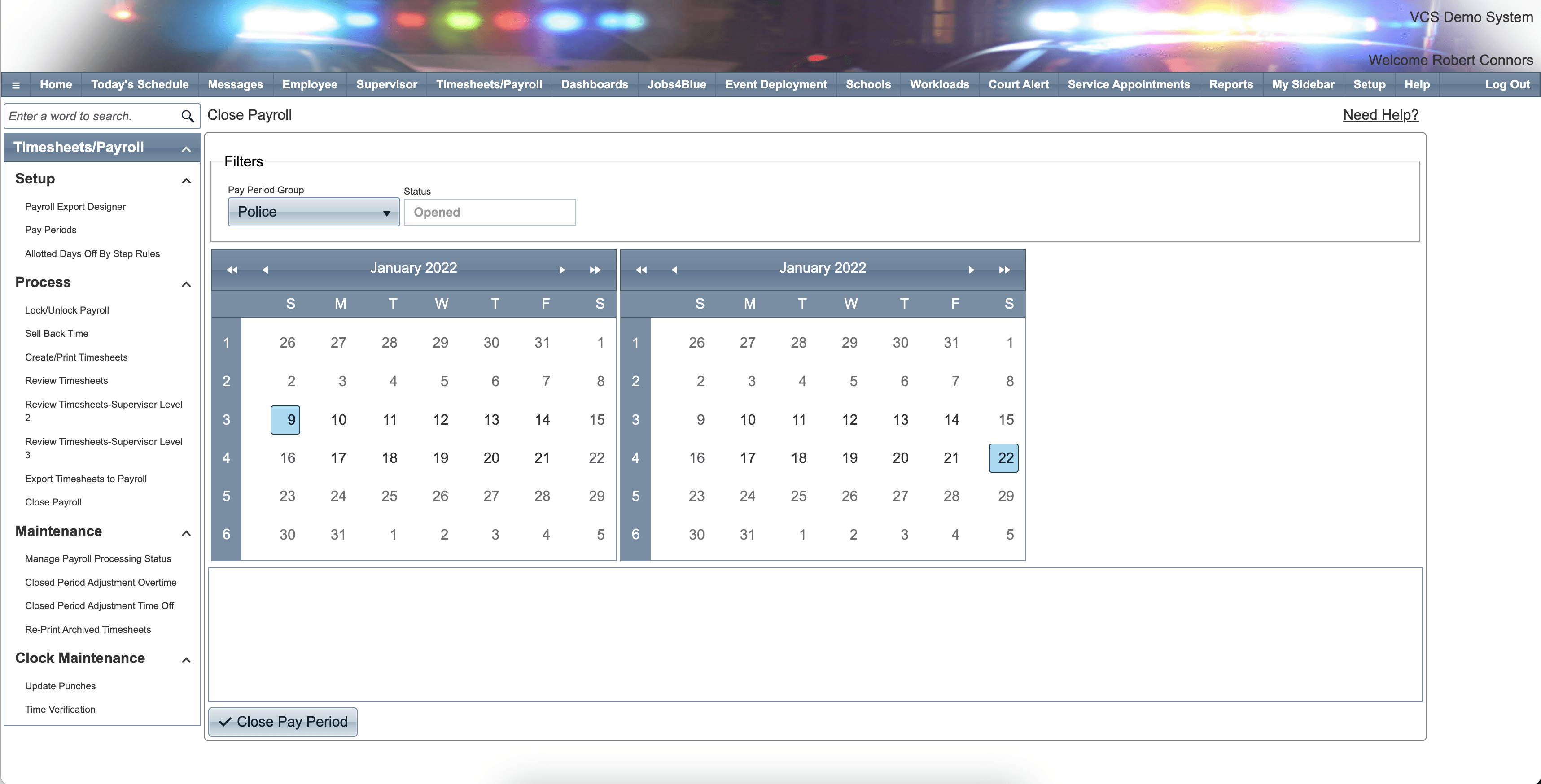
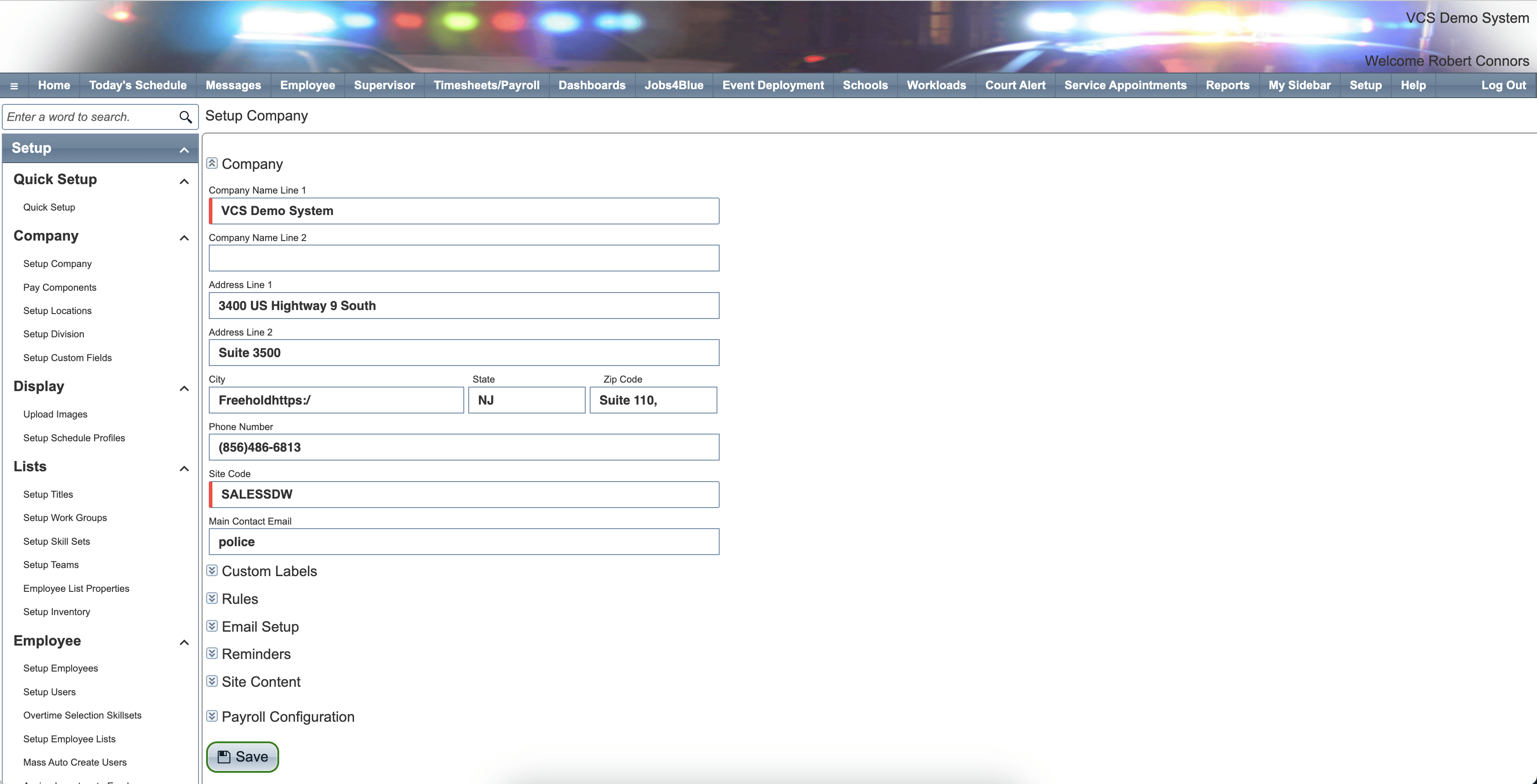
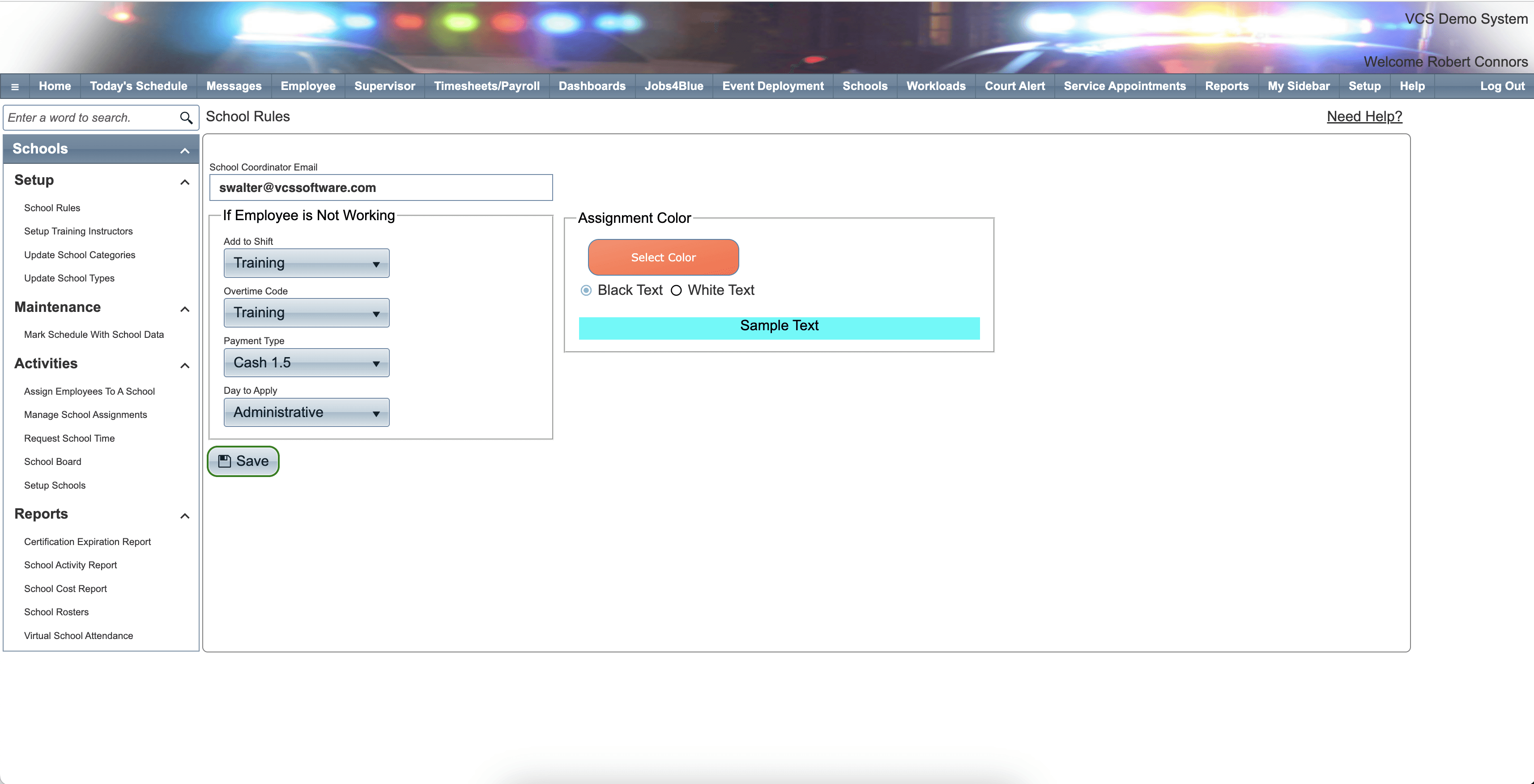
After Redesign:
After Redesign:
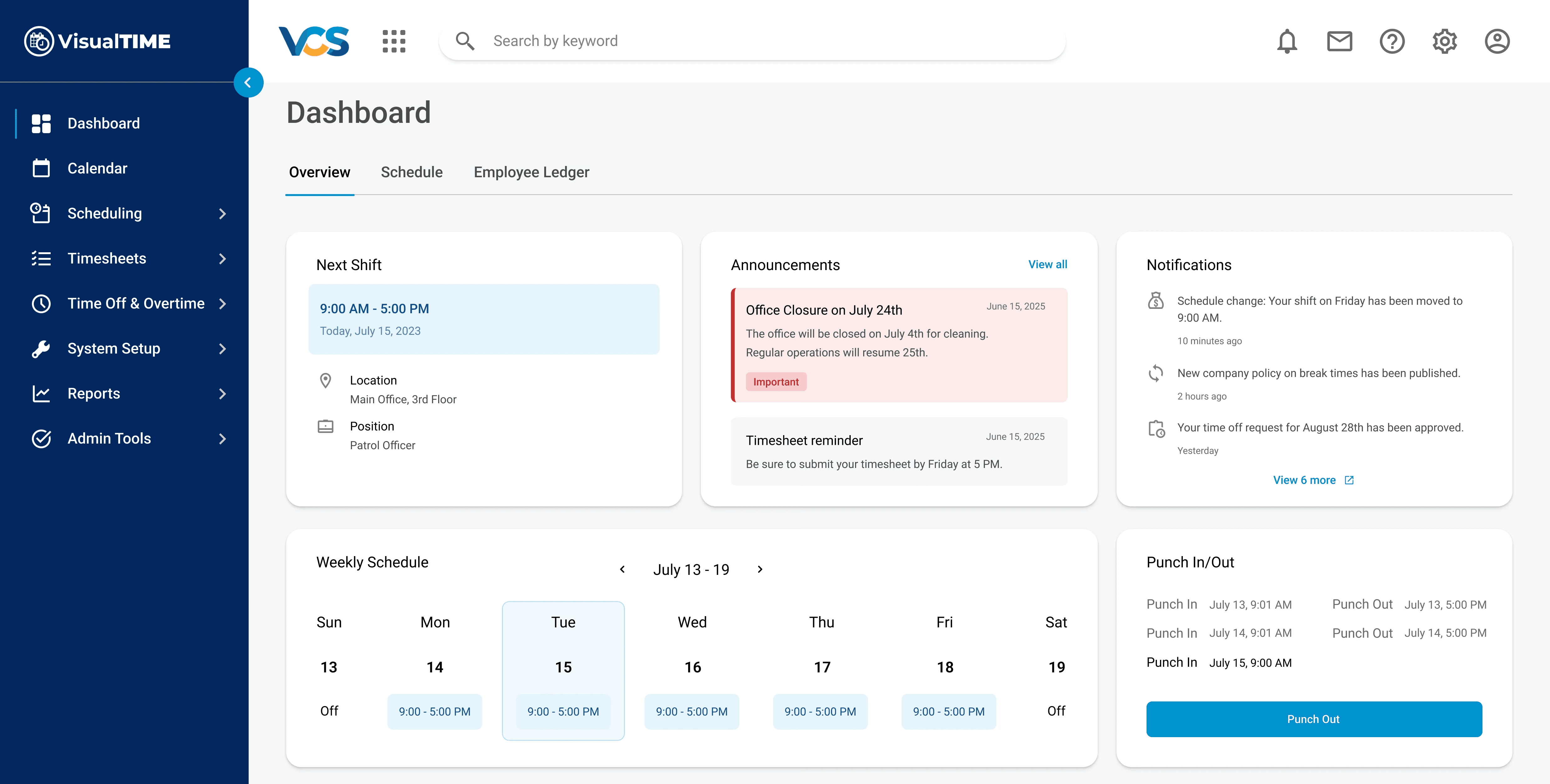
IMPACT
IMPACT
IMPACT
Established the foundation for scalable, consistent product experiences
Established the foundation for scalable, consistent product experiences
Built to support growing product needs, Maverick created a unified design language that improved consistency, accelerated delivery, and enabled teams to build with confidence.
Built to support growing product needs, Maverick created a unified design language that improved consistency, accelerated delivery, and enabled teams to build with confidence.
Built to support growing product needs, Maverick created a unified design language that improved consistency, accelerated delivery, and enabled teams to build with confidence.

Standardized UI Patterns
Standardized UI Patterns
Created reusable components and patterns that established consistency across products and experiences.
Created reusable components and patterns that established consistency across products and experiences.

Accelerated Design & Development
Accelerated Design & Development
Reduced duplicated effort by providing a shared system for designing and building interfaces.
Reduced duplicated effort by providing a shared system for designing and building interfaces.

Improved Product Consistency
Improved Product Consistency
Aligned visual language, interactions, and behaviors across screens, workflows, and teams.
Aligned visual language, interactions, and behaviors across screens, workflows, and teams.

Strengthened Design–Engineering Collaboration
Strengthened Design–Engineering Collaboration
Created a shared source of truth that improved communication, implementation accuracy, and handoff efficiency.
Created a shared source of truth that improved communication, implementation accuracy, and handoff efficiency.

Enabled Scalable Product Growth
Enabled Scalable Product Growth
Established flexible foundations capable of supporting new features, workflows, and products.
Established flexible foundations capable of supporting new features, workflows, and products.

Created a System Foundation
Created a System Foundation
Provided governance, documentation, and reusable assets that support long-term product evolution.
Provided governance, documentation, and reusable assets that support long-term product evolution.
MOVING FORWARD
MOVING FORWARD
MOVING FORWARD

Learnings
Learnings
Designing systems requires balancing consistency with flexibility
Designing systems requires balancing consistency with flexibility
A successful design system must provide structure without limiting product teams' ability to solve unique problems.
Consistent patterns reduce cognitive load and create more predictable user experiences.
Component decisions have long-term implications across multiple products and workflows.
Early alignment between design and engineering improves adoption and implementation quality.
Looking Ahead
Looking Ahead
Built to support a growing ecosystem of products and teams
Built to support a growing ecosystem of products and teams
Expansion of the component library to support additional product workflows
Increased documentation, governance, and contribution guidelines
Enhanced accessibility standards and design system compliance
Deeper integration between design, development, and product teams
Continued evolution of tokens, components, and patterns as products scale